Protein is one of the most talked-about nutrients, but are you actually getting enough? While protein is often associated with building muscle, it plays an important role in everything from immune function to tissue repair and keeping you satisfied after meals.
As a registered dietitian, I encourage clients to focus on getting adequate protein through balanced, enjoyable meals rather than obsessing over numbers or relying on supplements.
Here are five signs that may suggest your protein intake deserves a closer look.
1. You’re Hungry Shortly After Eating
Do you finish a meal only to find yourself searching for a snack an hour later?
Protein helps promote feelings of fullness by slowing digestion and influencing hormones involved in appetite regulation.
If your breakfast consists of toast and coffee, for example, you might feel more satisfied by adding eggs, Greek yogurt, or nut butter.
Dietitian Tip: Include a source of protein at each meal to help support fullness and steady energy throughout the day.
2. You’re Struggling to Maintain Muscle
Protein provides the amino acids your body needs to maintain and repair muscle tissue.
If you’re losing muscle strength or having difficulty maintaining muscle despite regular exercise, inadequate protein intake could be one contributing factor.
However, muscle changes can also result from aging, changes in physical activity, or underlying medical conditions.
Dietitian Tip: Pair adequate protein intake with regular resistance training to support muscle health.
3. Your Hair and Nails Seem Weaker
Hair and nails are made primarily of proteins, including keratin.
Severe or prolonged protein deficiency can contribute to hair thinning, brittle nails, and changes in hair growth.
However, these symptoms are not specific to protein deficiency. Iron deficiency, thyroid conditions, stress, and other nutritional factors can also play a role.
Dietitian Tip: If you notice persistent hair loss or significant nail changes, speak with your healthcare provider rather than assuming you need more protein.
4. You’re Having Trouble Recovering From Workouts
Protein helps repair muscle tissue after physical activity.
If you’re consistently experiencing prolonged muscle soreness or difficulty recovering between workouts, your overall nutrition may need attention.
Remember that hydration, sleep, exercise intensity, and total calorie intake also influence recovery.
Dietitian Tip: Try including a protein-rich food after exercise, such as Greek yogurt with fruit, a turkey sandwich, or a smoothie made with milk and nut butter.
5. Your Meals Are Missing Protein-Rich Foods
Sometimes the clearest sign that you may not be eating enough protein is simply looking at what you’re eating throughout the day.
Meals centered primarily around refined carbohydrates with little protein may make it harder to meet your needs.
Fortunately, adding protein doesn’t require complicated meal preparation.
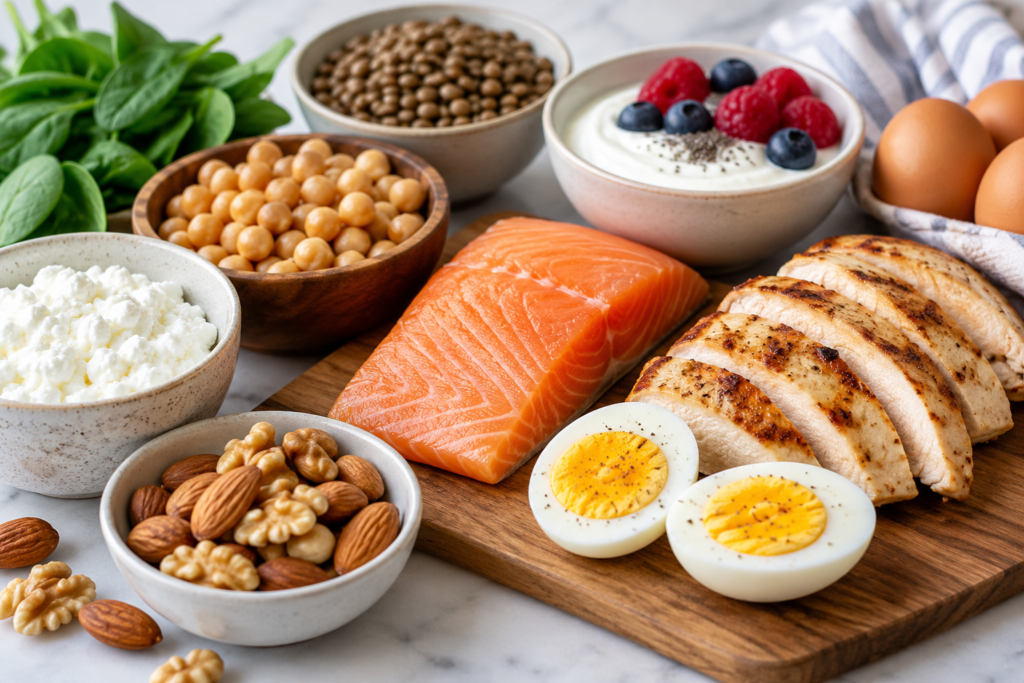
Consider incorporating eggs at breakfast, chickpeas in salads, edamame as a snack, or chicken, tofu, or lentils at dinner.
Dietitian Tip: Aim to distribute protein throughout the day rather than consuming most of it at one meal.
How Much Protein Do You Actually Need?
For most healthy adults, the recommended dietary allowance is approximately 0.8 grams of protein per kilogram of body weight daily. However, individual needs may be higher depending on age, activity level, health conditions, and personal goals.
A registered dietitian can help determine an appropriate protein target without unnecessary restrictions or complicated tracking.
The Bottom Line
Getting enough protein is important, but more isn’t always better. Rather than focusing on protein powders or strict daily targets, start by including a variety of protein-rich foods in your meals.
Small, consistent changes can help you meet your nutritional needs while supporting energy, muscle health, and overall wellness.